

Why Diverse Teams Make Better Work (And Take More Work)
It all begins with an idea. Lorem ipsum dolor sit amet, consectetur adipiscing elit, sed do eiusmod tempor incididunt ut labore et dolore magna aliqua.

Stop Testing Talent. Start Building for It.
Creative direction is not about how much you add. It is about how much you are willing to remove.
Creative Direction Is Mostly Editing
Creative direction is not about how much you add. It is about how much you are willing to remove.
What Being Laid Off Taught Me About Leadership (And Why Being on Both Sides Matters)
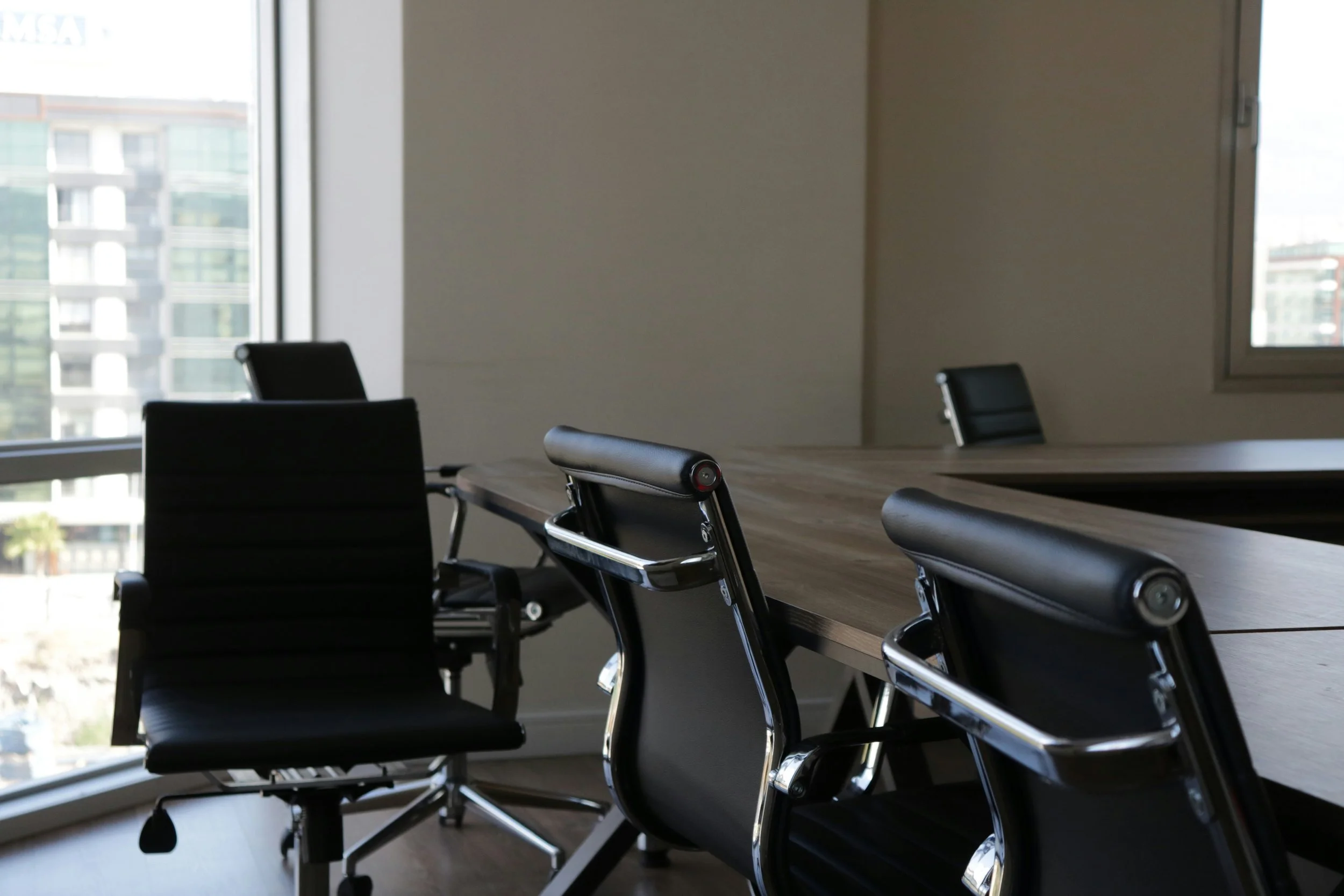
Being on both sides of a layoff reshapes how you understand leadership, responsibility, and the cost of decisions that are often framed as purely strategic.

Letting the Work Speak in Corporate Environments
Corporate environments are loud in subtle ways. Meetings stack. Feedback multiplies. Explanation starts to outweigh decision. Sometimes the strongest move is restraint. Saying less. Letting the work stand on its own.
Mentorship Is Not a Program. It’s a Practice.
Mentorship is often treated as a formal arrangement. In reality, the most meaningful mentorship rarely looks like that. It happens in moments. In attention. In how you show up consistently over time.

Why I Stopped Chasing What’s New
Early in my career, novelty felt like momentum. New tools, new trends, new visual languages. Staying current meant staying relevant. Or so it seemed. Over time, that urgency softened. Not because I stopped paying attention, but because I started recognizing the pattern.

The Kind of Design You Don’t Brag About
Government work does not remove creativity. It removes ego.

Why I Go When the Work Moves
I have moved for work more times than I ever expected to. Each move comes with the same ritual. Sorting. Packing. Letting go of objects that once felt permanent. Measuring a life by what fits into boxes. It is never just about geography. It is about momentum.

Letting Go Without Losing the Work
It all begins with an idea. Lorem ipsum dolor sit amet, consectetur adipiscing elit, sed do eiusmod tempor incididunt ut labore et dolore magna aliqua.

Staying Long Enough to Get It Right
Staying long enough to get something right teaches lessons that short tenures simply cannot.

Designing Without Shared Language
Learning to design without shared language is not a limitation. It is a skill.

The Parts of My Career That Don’t Fit Neatly
If you look closely at any long creative career, you will find sections that do not align cleanly. Gaps. Detours. Roles that feel out of sequence.

When Corporate Experience Comes Home
When I moved from an in-house role at a Fortune 100 company in Atlanta back to southern Illinois, the contrast was immediate. Design did not get smaller. It got personal.
Working With Stakeholders Who Think Design Is Decoration
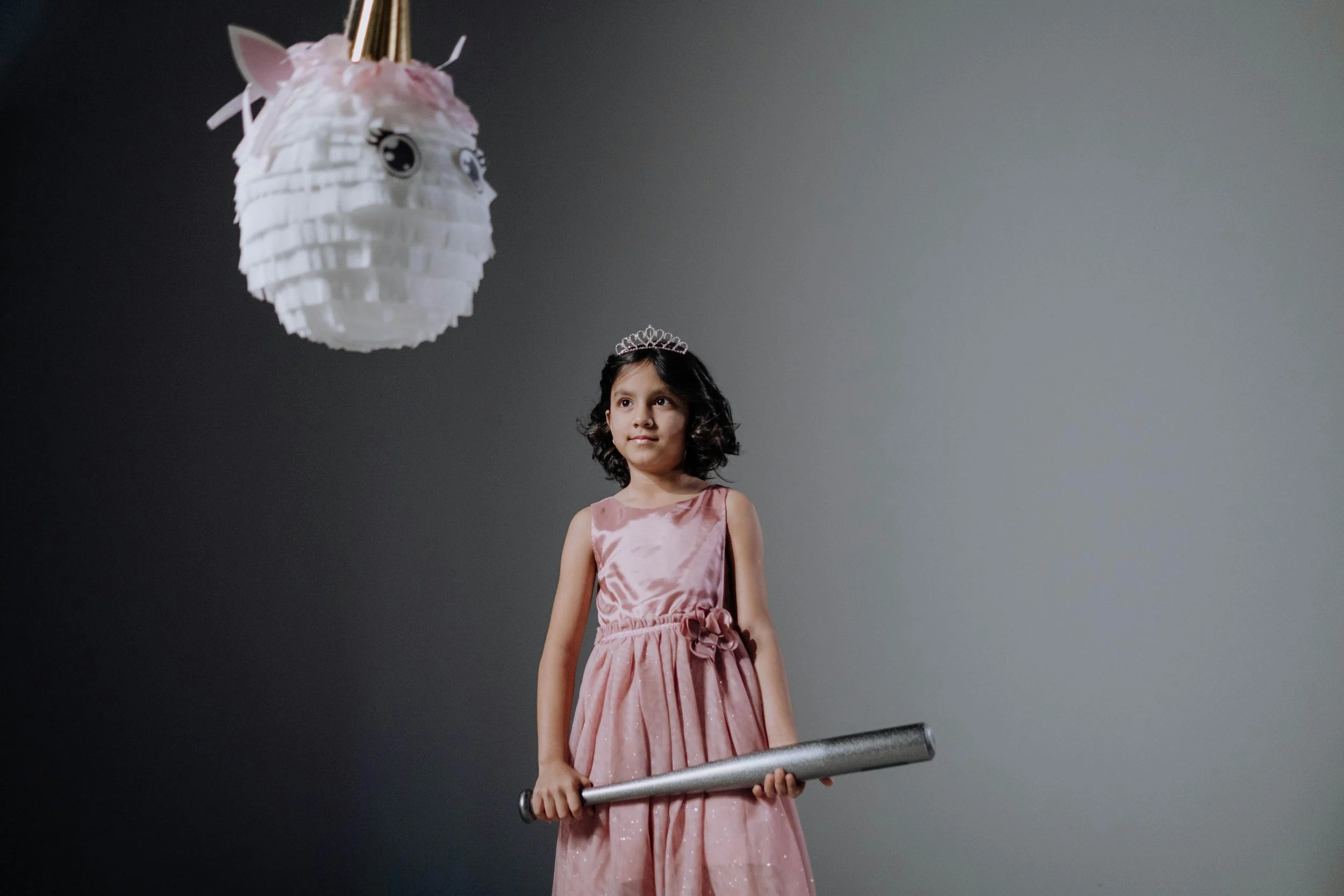
At some point, every designer encounters the belief that design is polish applied at the end. A coat of paint. A way to make something look nicer once the real decisions have been made. This misunderstanding is rarely personal. It is structural.

What Clients Actually Mean When They Say “Make It Pop”
Few phrases inspire as much collective frustration as “make it pop.” It is vague, subjective, and rarely helpful on its surface. And yet, it persists.

Designing Inside Constraints Is the Job
Constraints are often framed as obstacles to creativity. In practice, they define it. Budget. Brand standards. Timelines. Audience expectations. These are not creative enemies. They are the material.

Creative Confidence Comes From Repetition
Early in a creative career, confidence is often performative. It borrows from taste, trend awareness, or proximity to people who seem certain. It feels fragile because it is. Real creative confidence is built differently. It comes from repetition.
Why I Still Believe in Print
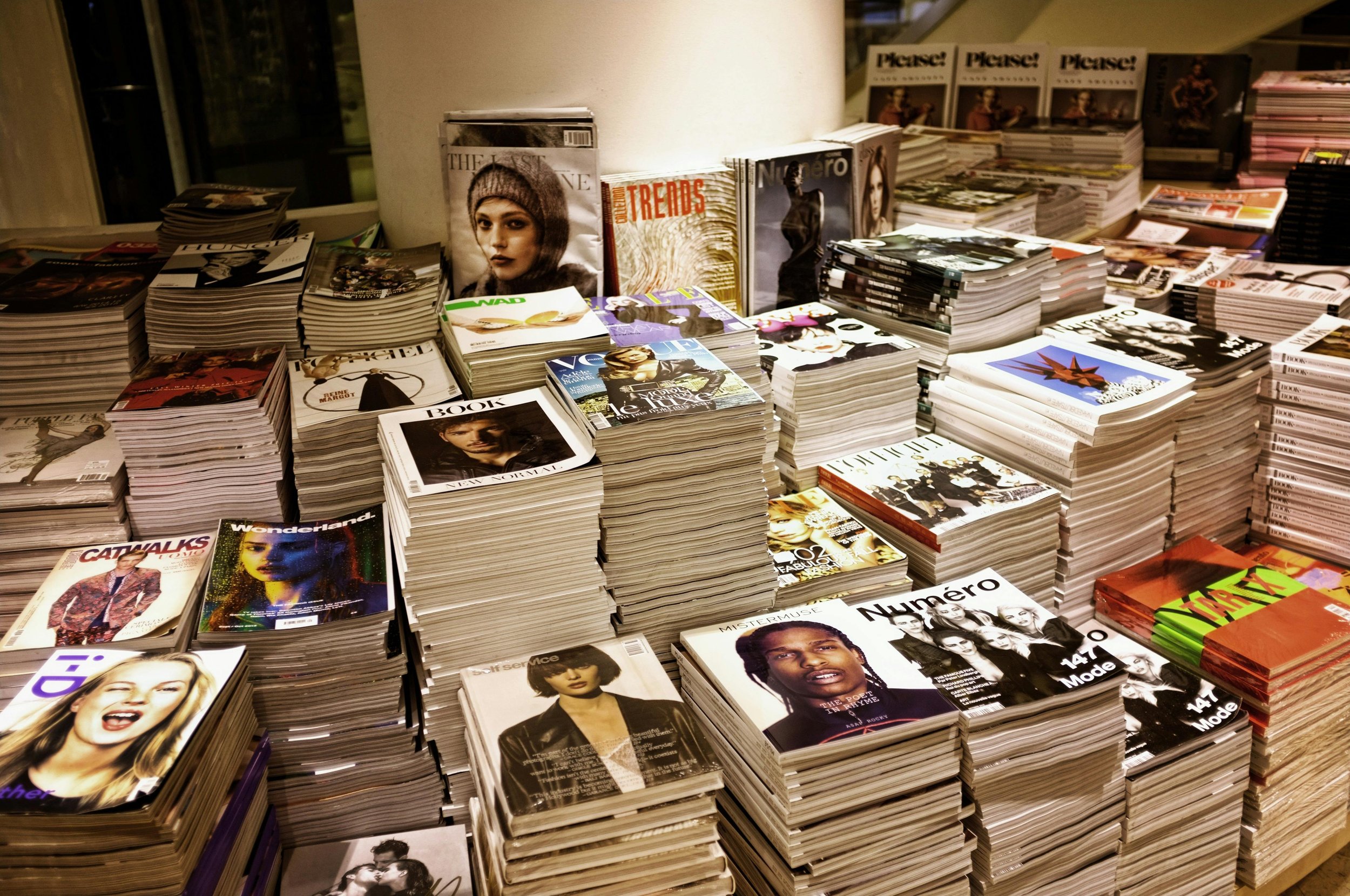
Believing in print today often feels contrarian. Screens are faster. Cheaper. Easier to revise. And yet, print remains one of the most effective tools for serious communication.

The Difference Between Busy and Intentional
Busy is easy to mistake for productive. It fills calendars, inboxes, and layouts. It looks active. It feels urgent. Intentional work moves differently.