Why I Still Believe in Print
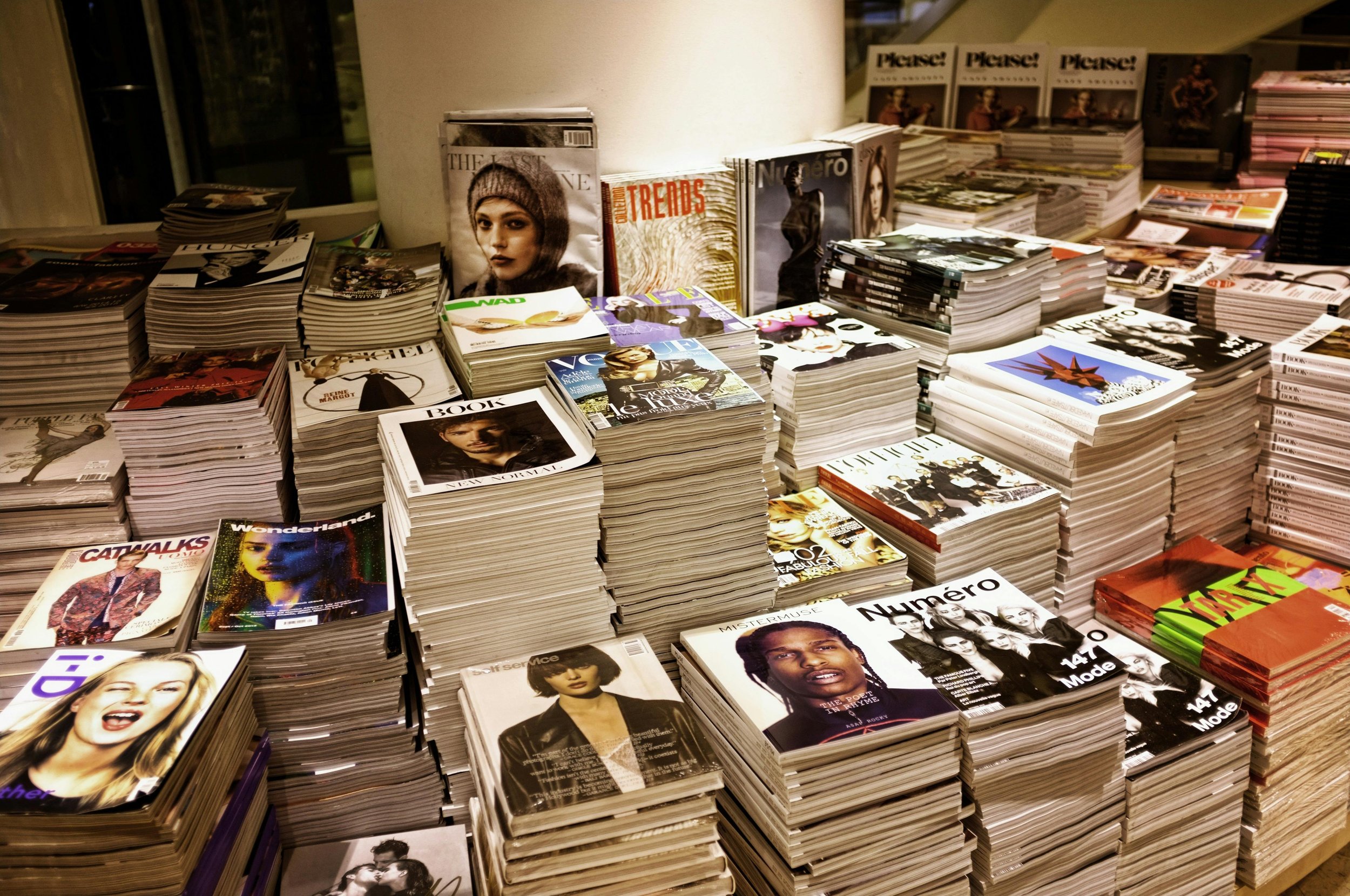
Believing in print today often feels contrarian. Screens are faster. Cheaper. Easier to revise.
And yet, print remains one of the most effective tools for serious communication.
Print Demands Commitment
Print requires decisions to be made and defended. Budgets are finite. Deadlines are real. Once something is printed, it exists exactly as it is.
That finality forces clarity.
You cannot hedge every choice. You must decide what matters and let the rest go.
Slowing the Pace
Print slows engagement in a way digital rarely does. The reader commits to the experience, even briefly.
Pages are turned deliberately. Information is absorbed sequentially. There is a beginning, middle, and end.
That pacing supports comprehension and retention.
Print as an Object
Print lives in the physical world. It has weight. Texture. Presence.
Well-designed print pieces are kept, not bookmarked. They move through spaces. They are shared and referenced.
That longevity gives print a quiet authority.
Discipline Produces Better Work
Print punishes indecision. It exposes weak hierarchy. It reveals unclear messaging.
This pressure improves the work. It rewards strong structure and thoughtful editing.
In many cases, the discipline of print produces clearer thinking than unlimited digital flexibility ever will.
Why It Still Matters
Print is not for everything. But when used intentionally, it remains unmatched.
I still believe in print because it asks more from designers and readers alike. And because, when done well, it holds its ground long after the screen goes dark.