

Consistency Is a Creative Choice
Consistency is often mistaken for a lack of imagination. I have found the opposite to be true. That commitment is where confidence lives.

From Product Guide to Brand Artifact
Turning a product guide into a brand artifact requires a shift in mindset. The goal stops being to show everything. The goal becomes showing what matters.

What Seven Years on One Brand Taught Me About Taste
Staying put long enough to see cycles repeat changes how you think about design

Designing for Scale Without Losing the Plot
Scale is where good ideas quietly unravel. Designing for scale is not about making things smaller. It is about making them stronger.

Middle Management Is Where Strategy Becomes Real
Middle management is often framed as a bottleneck. A place where ideas slow down and energy dissipates. In practice, it is where strategy either becomes reality or collapses entirely.
Designing for Contractors, Not Dribbble
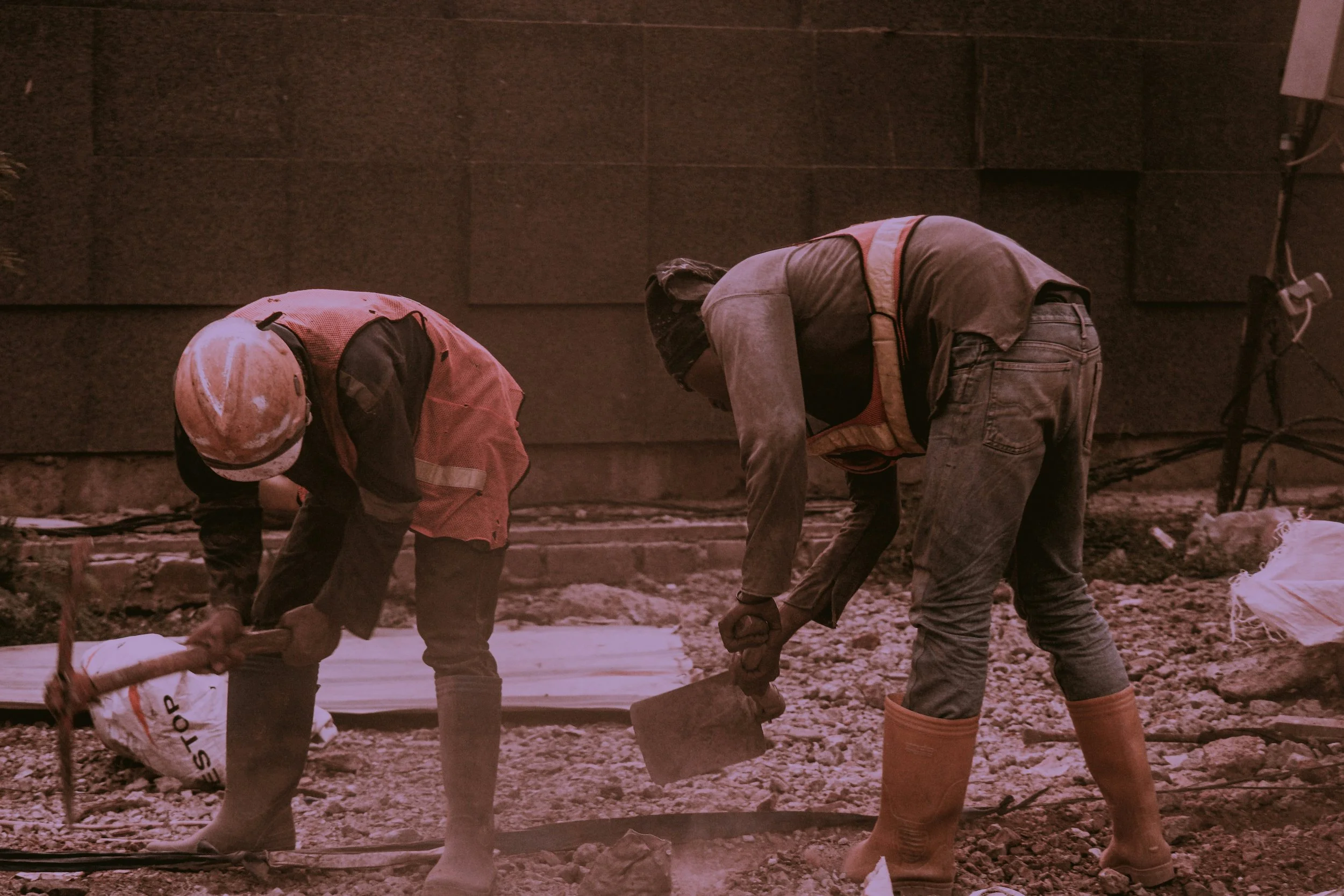
Design does not exist to impress other designers. That realization fundamentally changed how I approach my work. Real audiences do not care about cleverness for its own sake. They care about clarity, usefulness, and trust.

Designing for Rooms With Power
Not all audiences are equal in how they experience design. Trade shows, executive summits, and board of directors events operate under different expectations. These rooms are shaped by wealth, authority, and influence. Design in these spaces must communicate confidence before a single word is spoken.
The Catalog Is Not Dead. You’re Just Doing It Wrong.
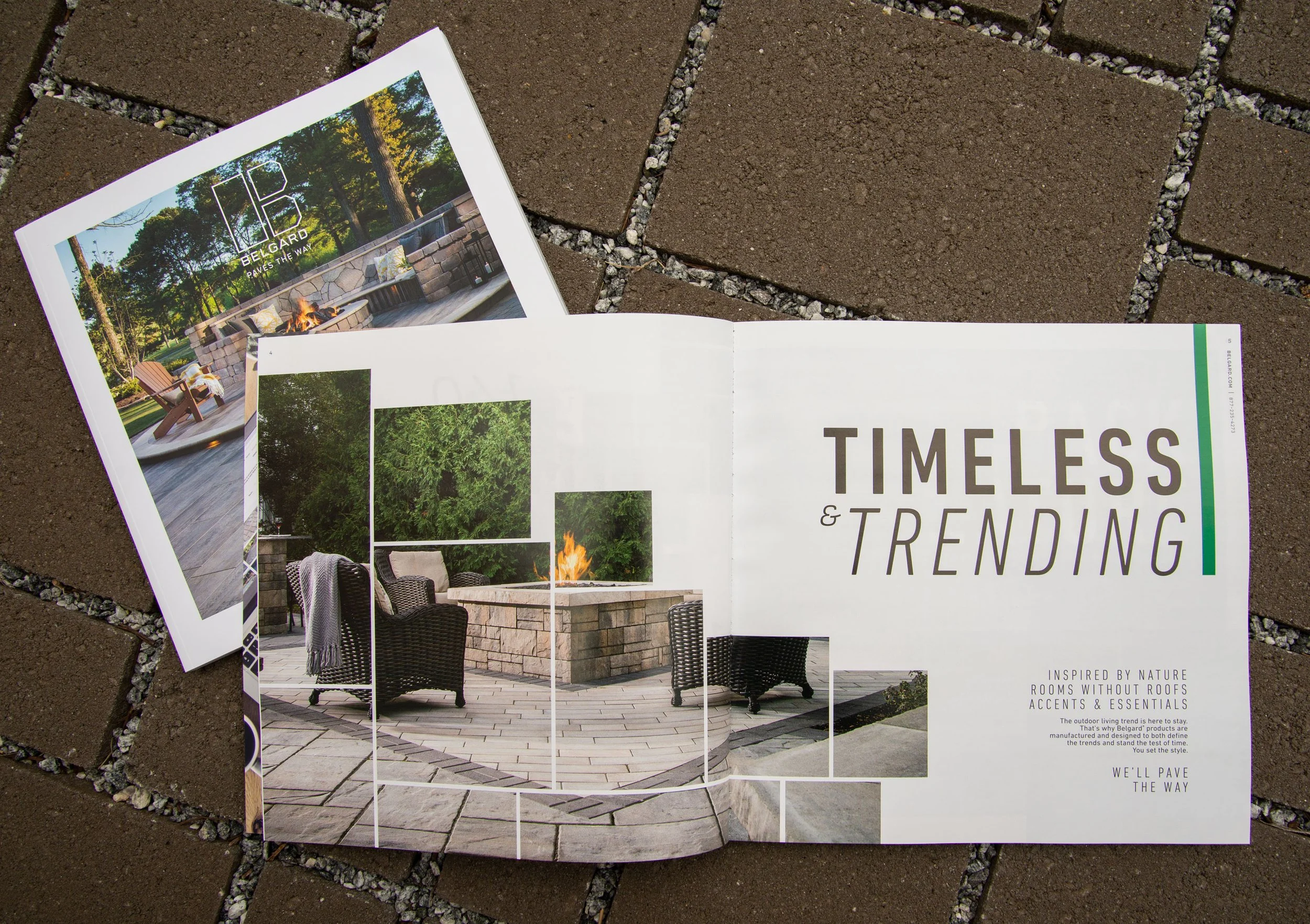
The catalog has been declared dead more times than I can count. Every few years, someone announces its demise with the same confidence people once used to predict the end of email. And yet, it persists. Heavy. Expensive. Still doing its job. Print only fails when it is treated carelessly.

The Hidden Labor of Creative Leadership
Much of creative leadership happens outside the work itself. It lives in conversations that never make it into decks. In emotional calibration. In decisions designed to prevent problems rather than solve them after the fact. This labor is rarely visible. It is also essential.

What Corporate Design Gets Right (And What It Breaks)
Corporate design environments are often criticized from the outside. Bureaucratic. Slow. Constrained. Those critiques are not wrong. They are also incomplete.

Working With Teams Who Do Not Work Like You
Creative teams rarely operate in isolation. Most work happens at the intersection of different disciplines, priorities, and working styles. Learning to work well with teams who do not think or operate like you is essential.

Creative Direction Without Authority
Not all creative direction comes with formal authority. In large organizations, much of the work happens through influence rather than control. Learning to lead without authority is not a workaround. It is a core skill.

Mentorship Is Built Into the Workday
Mentorship is often treated as something separate from the work. Scheduled sessions. Formal pairings. Time carved out around deadlines. In reality, the most effective mentorship happens alongside the work, not apart from it.

Creative Direction Is a Long Game
Creative work inside large organizations rewards patience more than urgency. That can be hard to accept in a culture that celebrates quick wins and visible momentum. Creative direction, especially at scale, unfolds slowly.

Observations From Inside the Work
This is a place to record what I am noticing while I am still inside the work. Not theory. Not trends. Observations about creative direction, leadership, and the systems that shape how design actually happens.