Creative Direction Is a Service Job
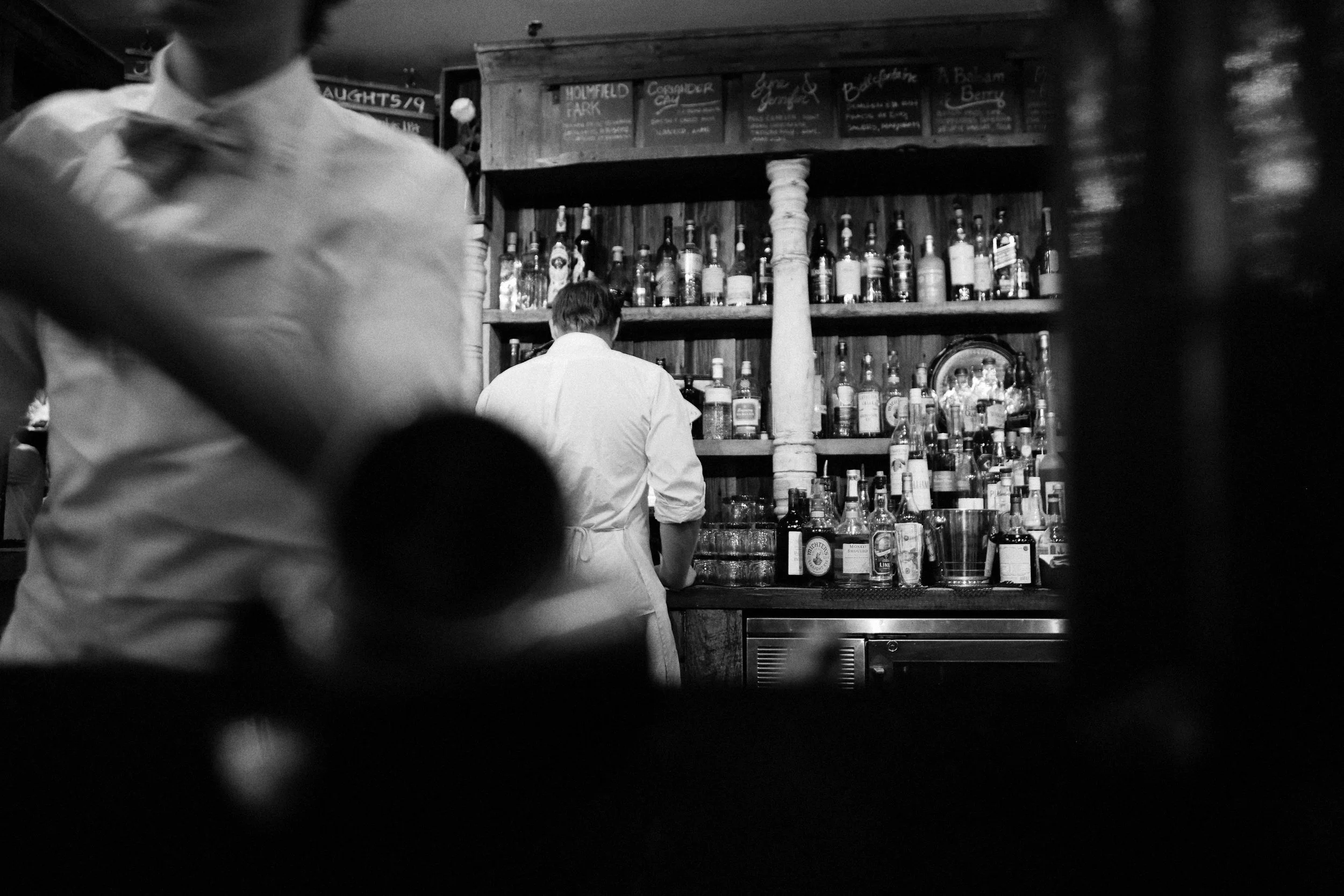
I found myself behind a bar during a stretch between design jobs. It was not a career pivot or a grand plan. It was work. Honest, fast-moving, human work that paid the bills and kept me engaged while I figured out my next step.
What surprised me was how familiar it felt.
As the weeks passed, the similarities became harder to ignore. Reading the room before acting. Prioritizing under pressure. Managing competing demands without letting the chaos surface. I was not learning a new discipline so much as rediscovering one. The environment was different, but the responsibility was the same.
Creative direction, at its core, is service. Bartending just made that impossible to romanticize.
Reading the Room Is the First Responsibility
Service begins with attention.
A good bartender watches before they move. Who just walked in. Who needs speed. Who needs patience. Who wants conversation and who wants quiet. The work starts before the order is placed.
Creative direction works the same way. Before decisions are made, the room has to be read. Stakeholders. Team dynamics. Energy levels. Unspoken expectations. You adjust your approach based on context, not ego.
If you misread the room, no amount of talent will save the outcome.
Taste Is Judgment in Service of Others
Service teaches restraint quickly.
Just because you can make something elaborate does not mean you should. Most people want something familiar, done well, delivered cleanly. The job is not self-expression. It is satisfaction.
Design operates under the same rules. Taste is not about personal preference. It is about knowing what works for the person in front of you and delivering it with care.
A well-executed classic earns more trust than a clever misfire.
Managing Chaos Without Making It Someone Else’s Problem
Service environments are controlled chaos by default. Multiple needs. Limited time. Constant interruptions.
A good bartender absorbs that pressure quietly. They prioritize instinctively. They recover smoothly. They keep things moving without broadcasting stress.
Creative direction demands the same composure. The role is not to eliminate chaos. It is to contain it. Decisions are made quickly. Tradeoffs are accepted. Momentum is protected.
When chaos leaks outward, trust erodes.
Setting Tone Is Part of the Work
In service, tone is everything.
Bartenders set the mood of a space whether they intend to or not. Energy, boundaries, pacing. It all flows from the bar.
Creative leaders do the same. How feedback is delivered. How urgency is communicated. How mistakes are handled. These choices shape whether people feel supported or scrutinized.
Service is not servitude. It is responsibility. Tone signals how seriously you take that responsibility.
Saying No Is Also Service
Every service role teaches you how to say no without escalation.
Cutting someone off. Redirecting an order. Keeping things moving without turning it into a confrontation. The goal is safety, clarity, and continuity.
Creative direction requires the same skill. Not every request can be honored. Not every idea should move forward.
Saying no well is part of serving the larger outcome.
Consistency Is How Trust Is Built
People return to places where they feel taken care of.
They know what to expect. They trust the experience. They know that even when things get busy, the service will hold.
Design teams function the same way. Consistency builds credibility. Credibility creates freedom. When people trust the service, they stop hovering and start collaborating.
Why This Perspective Matters
Bartending did not teach me design. It clarified how I practice it.
It reinforced that creative direction is not about control or authority. It is about attention, judgment, and care under pressure. It is about serving the work, the team, and the audience at the same time.
That mindset stayed with me long after I left the bar.
Creative direction is a service job, and treating it that way makes the work better.